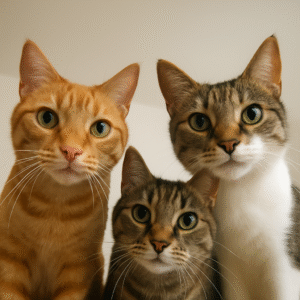
Behavioral Causes of Cat Urination Problems

Not all cat urination problems come from illness. Many are linked to stress, territory, or habits. Behavioral causes are common, and thankfully, they can often be managed at home with the right changes.

Why Cats Pee Outside the Litter Box

Cats are sensitive animals. Small changes in their world can lead to big changes in behavior. Here are the most common behavioral causes:
  • Territorial Marking – Cats may spray urine to claim their territory, especially if other pets are around.
  • Litter Box Problems – A dirty box, bad location, or type of litter can make cats refuse to use it.
  • Stress or Anxiety – Moves, new family members, or loud noises can trigger stress-related urination.
  • Attention-Seeking – Some cats urinate in visible spots when they feel ignored.
  • Past Negative Associations – If the litter box was once linked to pain (like a UTI), cats may avoid it even after recovery.

How to Identify Behavioral Causes

Behavior-related urination usually has patterns. Cats may choose beds, rugs, or doorways. Unlike medical problems, they still produce normal amounts of urine and often act healthy otherwise. If your cat shows pain, straining, or blood in urine, check our guide to medical causes.

Solutions for Behavioral Urination

Fixing behavioral issues takes patience and small adjustments. Try the following:
  • Clean Thoroughly – Always use an enzymatic cleaner to erase odors. Otherwise, your cat may return to the same spot.
  • Add More Litter Boxes – Use the rule of one box per cat, plus one extra. Place them in quiet areas.
  • Reduce Stress – Give hiding spots, scratching posts, and quiet resting areas. Our stress and urination guide has more tips.
  • Test Different Litter – Cats can be picky. Try unscented or softer litter types.
  • Provide Attention – Play and interact with your cat daily to reduce attention-seeking behavior.

When to Seek Professional Help

If home changes don’t solve the problem, a veterinarian or animal behaviorist can help. Sometimes a mix of stress and medical issues occurs, so a professional check-up ensures nothing is overlooked.

Preventing Behavioral Problems Long-Term

Consistency is key. Keep litter boxes clean, maintain routines, and reduce environmental stressors. Cats thrive in stable, predictable settings. For prevention tips, see our guide to preventing cat urination problems.

FAQs

Do cats pee on beds out of spite? No. Cats don’t act out of revenge. Instead, they may be stressed or marking territory. Can multiple cats cause urination problems? Yes. Competition over litter boxes and territory often leads to spraying or accidents. Should I punish my cat for peeing outside the box? Never. Punishment increases stress, making the problem worse. Positive reinforcement and cleaning are far more effective. ➡️ Related: Full Guide to Cat Urination Problems

Medical Causes of Cat Urination Problems

When a cat starts urinating outside the litter box, health problems are often the hidden cause. Unlike stress or behavior issues, medical conditions require veterinary attention. Ignoring them can lead to worsening symptoms and serious illness.

Common Medical Causes of Cat Urination

Cats may change their bathroom habits because of pain, infection, or underlying disease. The most frequent medical reasons include:

  • Urinary Tract Infections (UTIs) – Bacteria cause inflammation, making urination painful. Cats may associate the litter box with pain and avoid it.
  • Bladder Stones – Crystals form in the bladder, creating discomfort and frequent urination.
  • Kidney Disease – Older cats are especially at risk. They may drink more water and urinate more often.
  • Diabetes – Excess sugar in the blood causes increased thirst and urination. Cats may not always make it to the box in time.
  • Feline Idiopathic Cystitis (FIC) – A stress-linked bladder condition that leads to painful urination without infection.

Warning Signs to Watch For

If you notice any of these symptoms, see a vet quickly:

  • Frequent trips to the litter box with little output.
  • Straining or crying while urinating.
  • Blood in the urine.
  • Excessive drinking or sudden weight loss.
  • Complete inability to urinate (emergency situation).

Diagnosing Medical Problems

Your vet may run tests such as urinalysis, blood work, or X-rays to find the cause. These tests help identify infections, crystals, or organ issues. Quick diagnosis is essential to prevent long-term damage.

Treatment Options

Treatment depends on the condition:

  • Antibiotics for infections.
  • Prescription diets for bladder stones or kidney issues.
  • Insulin therapy for diabetes.
  • Pain relief and stress management for FIC.

How to Help Your Cat at Home

Even with treatment, you can support your cat by keeping the litter box clean, ensuring easy access, and providing fresh water. For stress-related conditions like FIC, follow the tips in our stress and cat urination guide.

Cleaning Up After Medical Accidents

Accidents caused by illness should be cleaned with an enzymatic cleaner. This removes odors that could confuse your cat once treatment begins.

FAQs

Can cats recover fully from urinary infections?
Yes. With prompt antibiotics and care, most cats recover well, though repeat infections may occur.

Is frequent urination always a sign of illness?
Not always. Sometimes stress or behavioral issues are the cause. See our behavioral causes guide for more info.

What if my cat cannot urinate at all?
This is an emergency. Blockages can be life-threatening, especially in male cats. Seek immediate veterinary care.

➡️ Related: Full Guide to Cat Urination Problems
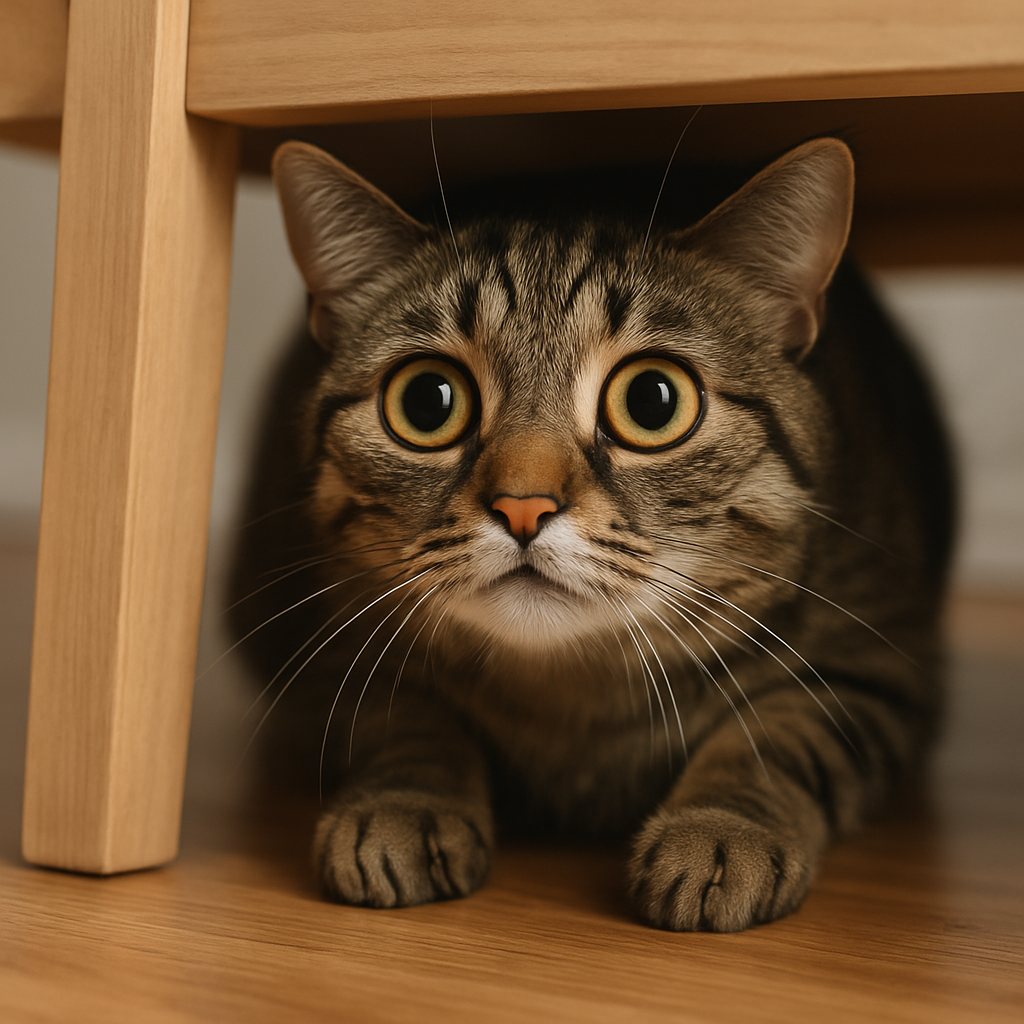
 

Stress and Cat Urination: Causes and Solutions

Stress is one of the leading causes of inappropriate urination in cats. When cats feel anxious or overwhelmed, they may stop using their litter box. This behavior is their way of signaling distress, but it can quickly become a frustrating problem for owners.

How Stress Affects Cat Urination

Stress impacts both behavior and health. Cats under pressure may associate the litter box with negative experiences, leading them to avoid it. They may also mark territory with urine as a coping mechanism. In some cases, stress can even trigger urinary tract issues.

Signs that stress may be the cause include:

  • Urinating in new or unusual spots around the house.
  • Increased spraying near doors or windows.
  • Withdrawing, hiding, or avoiding family members.
  • Changes in appetite or grooming habits.

Common Causes of Stress in Cats

Cats thrive on routine. When their environment changes, stress levels can rise quickly. Common stress triggers include:

  • Moving to a new home.
  • Adding a new pet or family member.
  • Loud noises, such as fireworks or renovations.
  • Changes in feeding or playtime schedules.
  • Conflict with other cats in the household.

How to Reduce Stress and Stop Urination Issues

The good news is stress-related urination can often be corrected once the triggers are identified. Practical solutions include:

  • Provide safe spaces – Cats feel calmer when they have quiet, elevated, or enclosed areas to retreat to.
  • Stick to routine – Feeding and playtime at the same times each day builds stability.
  • Use pheromone diffusers – Products like Feliway can help reduce anxiety levels.
  • Offer enrichment – Interactive toys, scratching posts, and climbing areas relieve stress.
  • Address conflicts – Separate cats temporarily and reintroduce them slowly if tension rises. See our multi-cat household guide.

Cleaning Up Stress-Related Accidents

Cats may continue to urinate in stress-marked areas unless cleaned properly. Always use an enzymatic cleaner to remove the odor fully.

Preventing Stress in the Future

  • Introduce changes slowly to your cat’s environment.
  • Ensure each cat has access to food, water, and litter without competition.
  • Provide plenty of stimulation and play to prevent boredom.
  • Maintain a consistent daily routine.

FAQs

Can stress cause cats to get urinary tract problems?
Yes. Stress can contribute to urinary issues like feline idiopathic cystitis, which may cause pain and urination outside the litter box.

Do cats grow out of stress behaviors?
Not usually. Without addressing the triggers, stress can persist. Early intervention is key.

Will adding another litter box help?
In multi-cat households, yes. More litter boxes reduce competition and stress. Our litter box setup guide explains how to arrange them.

➡️ Related: Full Guide to Cat Urination Problems